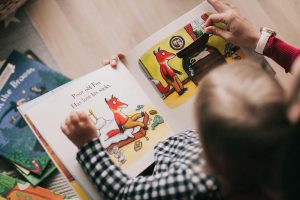
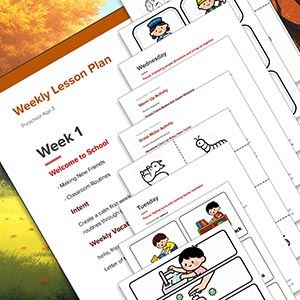
Helping preschoolers fall in love with reading doesn’t have to be complicated, and it doesn’t require teaching them to decode words before they’re ready. In fact, the most powerful way to support early literacy is to build positive, joyful experiences around books long before “real reading” begins. When reading feels warm, safe, and fun, children naturally lean into it.
If you’re a parent or caregiver wondering how to encourage a love of books in your preschool-aged child, without pushing, drilling, or making it feel like homework, this guide is for you.
💛 Start With Connection, Not Perfection
The heart of early literacy isn’t memorizing letters or sounding out words. It’s connection. Preschoolers learn best when they feel close to the person reading with them.
Your voice. Your warmth. Your presence.
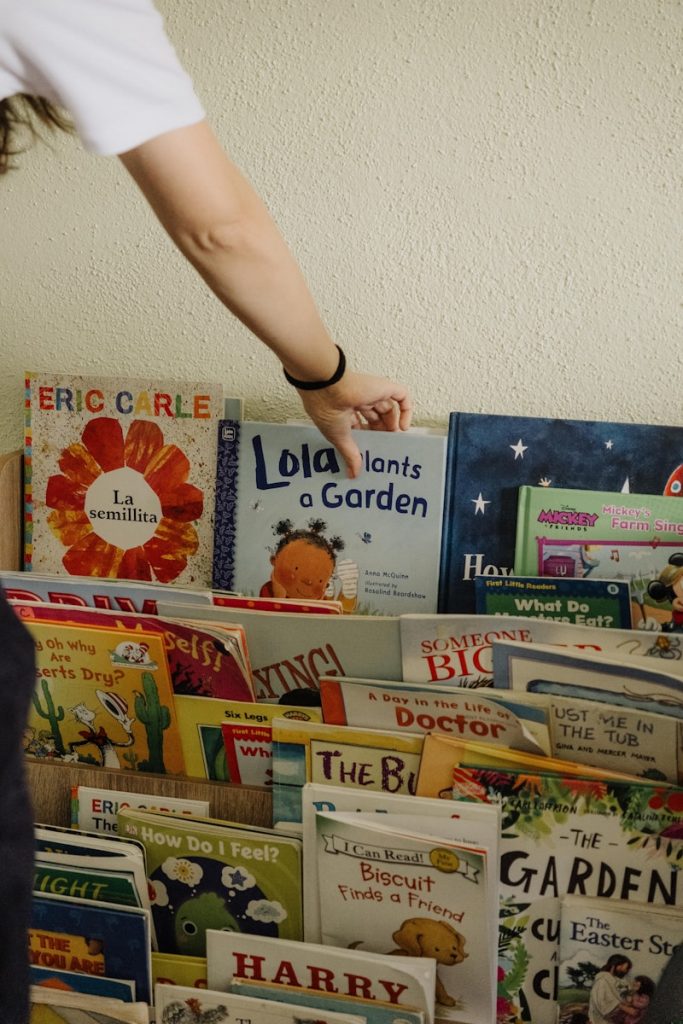
Those are the ingredients that turn reading into a beloved routine. When children associate books with snuggles, giggles, happiness, and undivided attention, they see reading as something comforting instead of a task to complete.
The first step is to build simple rituals:
- A bedtime book
- A morning “cozy read”
- A few pages after snack time
- A favorite chair or blanket reserved for stories
These small, consistent routines help reading feel like a natural part of home life.
📚 Let Kids Choose the Books
One of the best ways to spark reading motivation is to follow the child’s interests. Preschoolers love having a sense of control, and letting them choose the book invites independence and excitement.
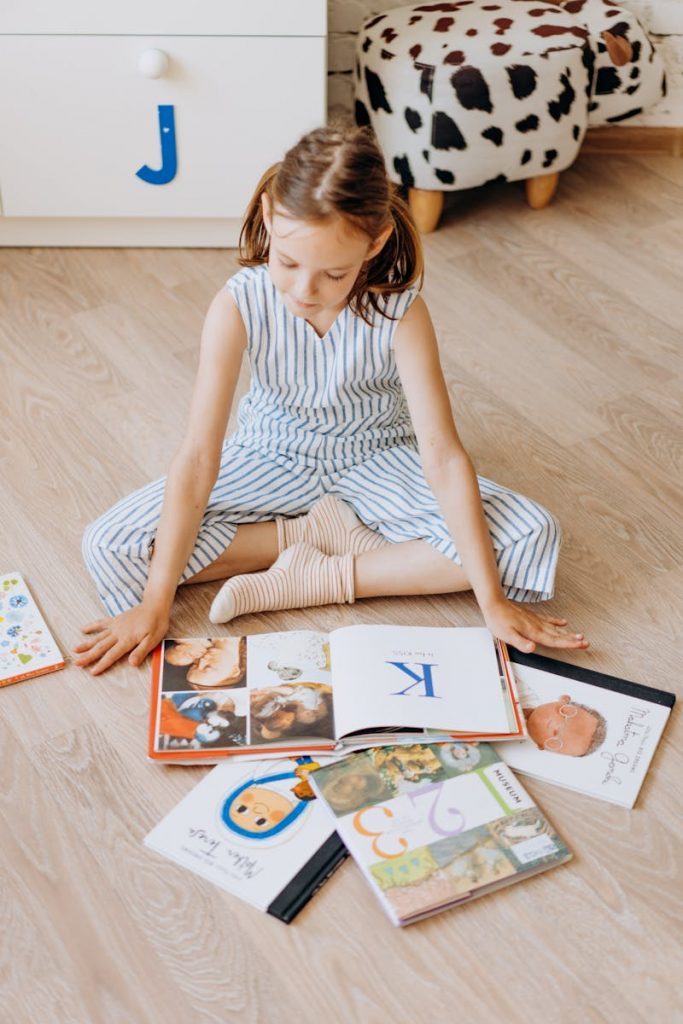
Maybe they want trucks or airplanes for a week straight. Or maybe they love dinosaurs. It could be fairy tales, science fiction, or the book version of their favorite cartoon. Maybe its non-fiction. Or maybe it’s the same Hazel & Scamp story for the fifteenth time.
That’s okay! Repetition is a powerful learning tool. Every time they revisit a favorite book, they’re strengthening vocabulary, comprehension, memory, and confidence. And also love, that part is not to be overlooked, too.
If you want variety, offer two or three choices at a time. Too many options can overwhelm young children, but a small selection helps them feel capable and engaged.
🌿 Make Reading a Sensory, Interactive Experience
Preschoolers learn with their whole bodies. You can turn storytime into an engaging, hands-on activity:
- Point to pictures and name what you see
- Trace letters with your finger
- Act out animal movements
- Use silly voices for characters
- Let your child turn the pages
- Pause and ask, “What do you think will happen next?”
These tiny interactions build comprehension, vocabulary, listening skills, and imagination. They also keep energetic little ones involved, even if attention spans are short.
Explaining the technical aspects of reading such as phonics, letter sounds, or sight words might be tempting. it’s okay to teach these skills, as this is the fundamental part of learning to read. However, it’s important to recognize when your child gets bored or frustrated with these topics, and switch back to the story and excitement quickly. As a preschool-aged child, if they are annoyed or frustrated with reading, then reading will not become a fun activity. This will lead to negative feelings around reading, which will be harmful to their academic growth in the long run.
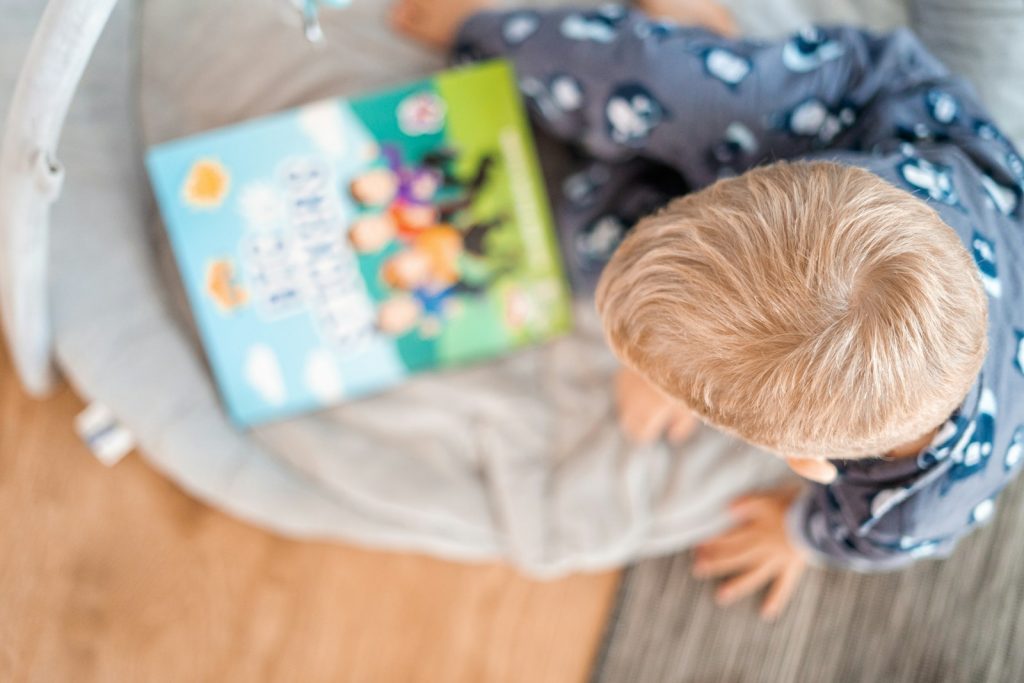
🎨 Use Picture Talk to Expand Language Skills
You don’t have to read every word on the page. “Picture talk” is simply describing what you see together, and is one of the best early literacy tools.
Try noticing:
- Colors and patterns
- Emotions and character expressions
- Actions
- Background details
For example, “Hazel looks surprised! What do you think she saw in the forest?”
This turns reading into a conversation, not a performance. It’s especially helpful for toddlers and preschoolers who can’t decode words yet.
As you’ll probably realize, this keeps the story interactive between you and your child, and between your child and the book.
🌟 Keep Reading Pressure-Free
It can be tempting to worry:
“Should my preschooler know all their letters?”
“Are they behind if they aren’t reading yet?”
The truth is: Every child develops literacy skills at their own pace, and preschoolers do not need to read independently. The best thing you can do is encourage curiosity, not performance.
Reading should feel:
- Playful
- Relaxed
- Low-pressure
- Fun and exciting
Skip the drills. Skip the flash cards. Let joyful experiences lead the way. Once they love reading, they will want to dive into the details even more. This is true of any activity, whether it is reading, athletics, playing with certain toys, trying new foods, and so on.
🏡 Create a Literacy-Rich Home
You don’t need a giant bookshelf to build strong pre-reading foundations. Little touches go a long way:
- Keep books in baskets within reach
- Try to keep the front covers visible
- Visit the library and pick out new stories, make it an exciting activity
- Label items around the house with simple words (door, chair, sink)
- Keep a few books in the car for on-the-go reading
- Rotate books to keep them feeling new and exciting
- Draw attention to signs in public, such as street signs and the names of shops
This helps children see literacy everywhere, and not just during storytime.
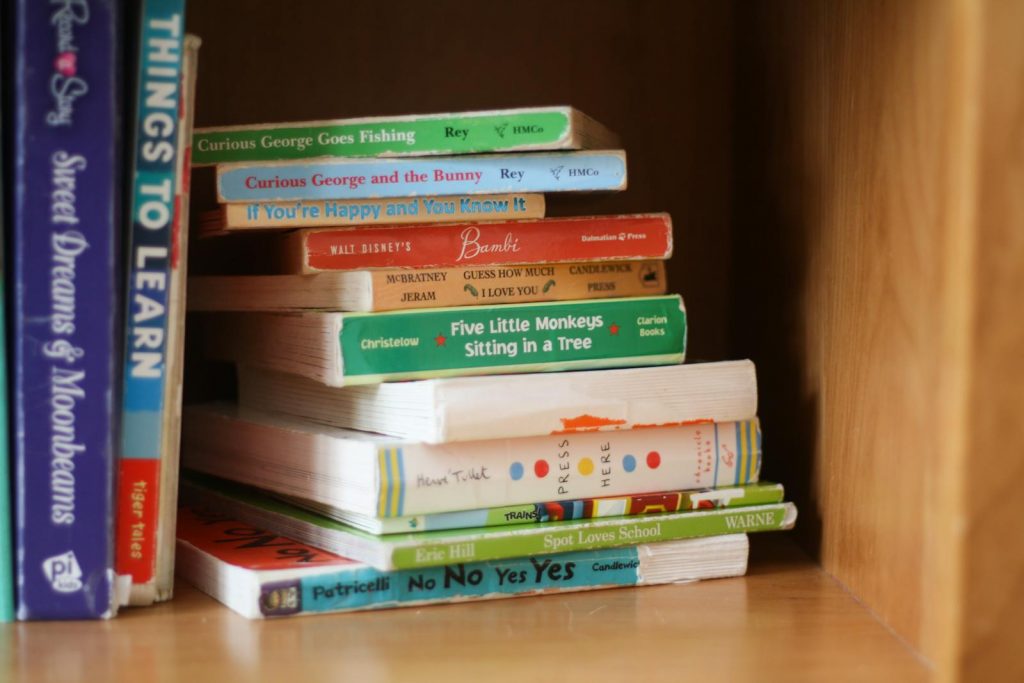
🎶 Use Songs, Rhymes, and Play
Music is a literacy superpower. Rhymes and rhythm help children develop phonological awareness, the ability to hear the sounds inside words. (This is why Dr. Seuss books are so popular, they use rhyming so effectively!)
Try:
- Singing nursery rhymes
- Clapping out syllables
- Playing word games
- Making up silly songs about the day
These playful moments strengthen the same skills needed later for reading success.
🧠 What “Reading Readiness” Really Means
Parents often ask what skills actually matter before learning to read. Research tells us that preschoolers benefit from:
- Understanding how stories work (basic plots and characters)
- Recognizing their name (it’s usually one of the first words a child can read)
- Knowing that text goes left to right
- Hearing and playing with sounds and syllables
- Exploring letters casually
- Building vocabulary through conversation
Your child does not need to read early to be successful. Early nurturing matters more than early decoding.
🐿️ Use Characters Kids Already Love
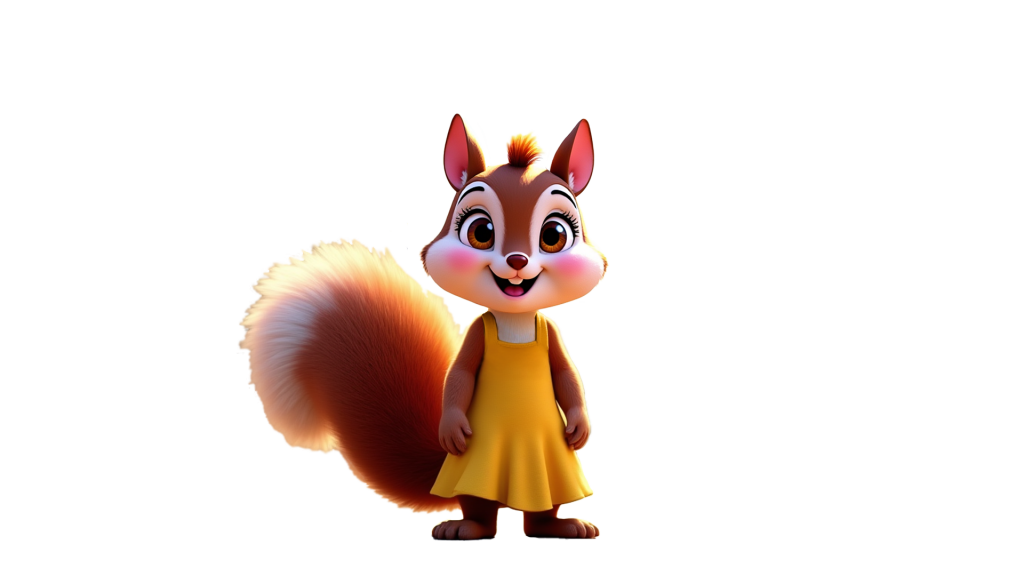
Children connect with familiar faces and stories. For example, if your child loves Hazel, Scamp, and the world of the Acorn-Putters, you can use those characters to spark interest in books. The same is true for any other popular movie, show, or cartoon that they are familiar with.
Try:
- Talking about episodes like stories (sequence of events, cause and effect, etc.)
- Asking kids to retell what happened
- Browsing through early readers series for their favorite characters
- Matching episodes to themed books (forest, family, feelings, exploration)
This makes reading feel natural, relatable, and fun.
❤️ Most of All… Enjoy the Moment
Preschool reading isn’t about getting ahead academically, it’s about building a foundation of joy, connection, confidence, and curiosity. When kids feel safe and excited around books, they step into literacy willingly.
You are not just teaching them how to read. You are teaching them to love reading. When kids fall in love with stories, storytelling, drama, adventure, excitement, characters, and laughter, then they will inherently fall in love with reading, too.
And that lasts forever.

Energetic, fun, curious, and loving – Hazel Acorn-Putter can’t wait to share her adventures with you.