Many parents wonder when their preschooler should start learning to read. Should a 3-year-old know letters? Should a 4-year-old be sounding out words? What exactly is reading readiness, and how can you support it without pressure?
Here’s the reassuring truth: Reading readiness has very little to do with actually reading words. Instead, it’s about building the foundation children need before they begin formal reading instruction.
Ages 3-5 are magical, curious, and imaginative years. This is the perfect time to nurture the skills that make reading joyful and successful later on. This guide will walk you through what truly matters, based on child development research and real-life practical experience.
💛 What Is Reading Readiness?
Reading readiness refers to the combination of skills, behaviors, and experiences that prepare young children to learn how to read. It’s not a checklist. It’s not about memorizing sight words. And it’s definitely not about pushing kids to read before they’re developmentally ready.
Instead, reading readiness includes:
- Understanding how books work
- Hearing and playing with sounds
- Building vocabulary through conversation
- Recognizing letters naturally
- Following stories
- Developing the attention and emotional regulation needed for learning
Kids develop these skills gradually and at different paces.
The goal at ages 3–5 is simple: make reading a positive, pressure-free part of life.

📘 Skill #1: Print Awareness
How books and reading “work”
Print awareness is one of the strongest predictors of later reading success. It includes simple things like:
- Knowing how to hold a book and which way it opens
- Recognizing that we read left to right
- Turning pages one at a time
- Understanding that words carry meaning
- Seeing that text matches the story being told
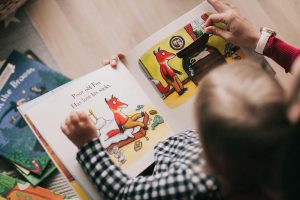
Children learn this just by watching you read aloud. Point to pictures, trace lines of text, or say things like:
- “This is the title.”
- “Let’s turn the page.”
These tiny habits build foundational knowledge without teaching anything formally.
🎵 Skill #2: Phonological Awareness
Hearing the sounds inside words
Phonological awareness is the ability to notice and play with sounds, and it’s absolutely essential for later reading and spelling.
Preschoolers build this through:
- Rhyming
- Singing songs
- Clapping syllables
- Making up silly words
- Listening to alliteration (“Hazel hops happily!”)
These playful sound experiences help children become aware that words are made of parts. They don’t need to know letters yet, but instead, they just need to hear the patterns.
💬 Skill #3: Vocabulary and Language Skills
Understanding and using words
Kids with rich vocabularies have a much easier time learning to read and comprehend stories. Luckily, vocabulary grows naturally when children:
- Listen to books
- Have conversations with adults
- Explore their world
- Ask questions (lots of them!)
- Hear descriptive language
- Watch shows or movies with complex language
Try adding simple explanations when you read:
- “Scamp looks curious. That means he wants to know more.”
- “This forest is quiet — very still.”
These moments deepen understanding and help children make sense of stories later.
🎨 Skill #4: Story Comprehension
Understanding and retelling what happens
Reading is about meaning, not just decoding.
Preschoolers strengthen comprehension when they:
- Talk about what they see in pictures
- Predict what might happen next
- Notice characters’ feelings
- Retell parts of the story in their own words
- Connect stories to their own experiences
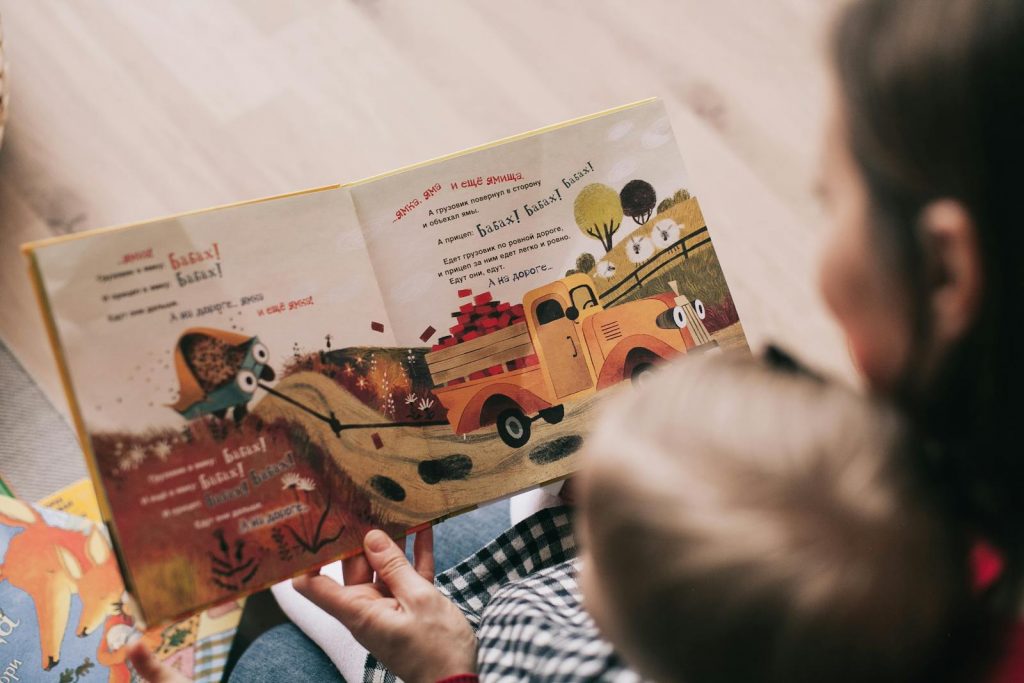
These conversations can happen anywhere: during bedtime stories, in the car, or after watching an episode of their favorite TV show (such as The Acorn-Putters).
🔠 Skill #5: Letter Awareness
Recognizing letters is the first technical step towards phonics, sight words, and reading
At ages 3-5, letter knowledge should be casual and playful. Children may begin to:
- Recognize letters in their name
- Identify a few familiar letters
- Understand that letters make sounds (and which sounds as they progress)
- Notice letters on signs, labels, or book covers
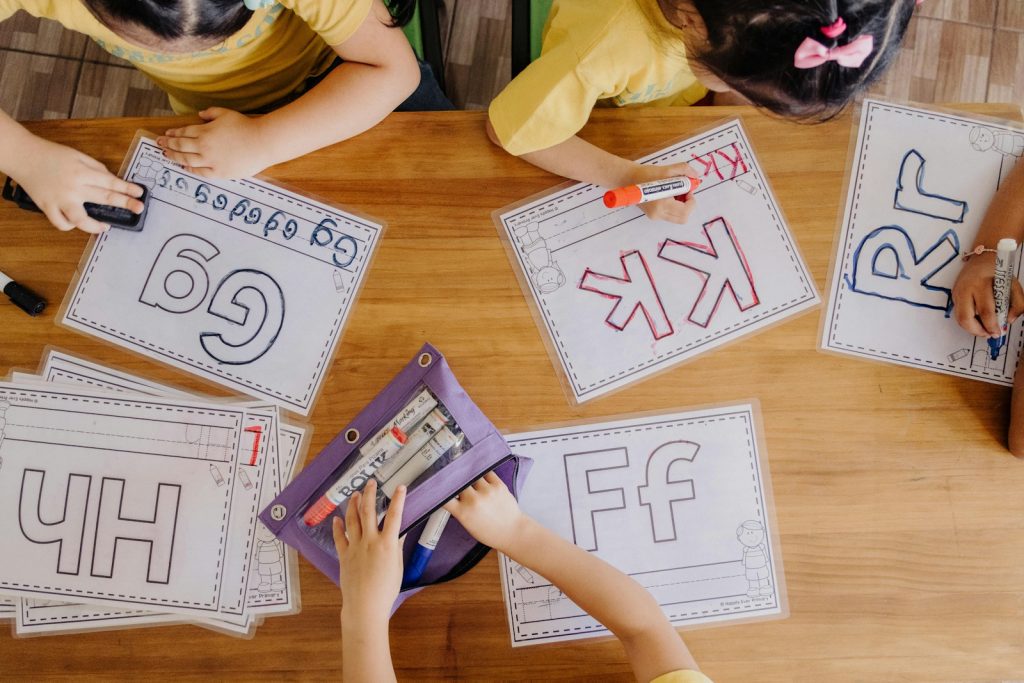
You don’t always need worksheets or drills, because everyday exposure can help reinforce these concepts.
Simple activities help:
- Alphabet puzzles
- Magnetic fridge letters or bathtub letters
- Writing letters in sand or shaving cream
- Alphabet books
- Pointing out letters on cereal boxes
The goal is familiarity, not mastery.
🧠 Skill #6: Attention, Patience & Emotional Readiness
The “hidden” skills that matter just as much
Reading requires focus, persistence, and the ability to manage frustration. Preschoolers develop these emotional skills gradually:
- Sitting through a short story
- Waiting turns during conversation
- Handling small challenges
- Calming down after strong emotions
- Trying again after a mistake
Children who feel safe, connected, and encouraged will usually build these skills naturally. Warm relationships instead of early academics will drive emotional readiness.
🐿️ Skill #7: Curiosity and Motivation
The desire to learn
Children who want to explore books, stories, and letters are the ones who thrive when formal reading begins. Any time a child, or anyone, is excited about a topic, they usually want to continue with it in an ambitious manner.
You can nurture reading motivation by:
- Making reading time cozy and predictable
- Letting kids choose the books
- Following their interests
- Pointing out fun things in pictures
- Keeping reading playful, never stressful
Kids learn best when they’re excited and connected, just like Hazel and Scamp in the Snugly Thicket.
🌼 What Doesn’t Matter (Yet)
Here’s what preschoolers do not need to know yet, because they are still learning the processes and the skills. These skills are what they are working towards, not expected to already know.
- Read words
- Know the rules of phonics
- Memorize sight words
- Know all their letters or letter sounds
- Sit still for long periods
- Write perfectly on lines or have good handwriting
Pushing early academics too soon can create frustration, lower confidence, and ruin the idea that reading is a positive experience. Slow, steady exposure is far more effective and far better for a child’s emotional well-being.
🌟 How Parents Can Support Reading Readiness (Gently)
Here are simple ways to build skills without pressure:
✔ Read aloud every day, even for 5 minutes
Consistency beats perfection.
✔ Talk about pictures, characters, and feelings
Conversation is literacy.
✔ Add songs, rhymes, and playful language
It strengthens sound awareness.
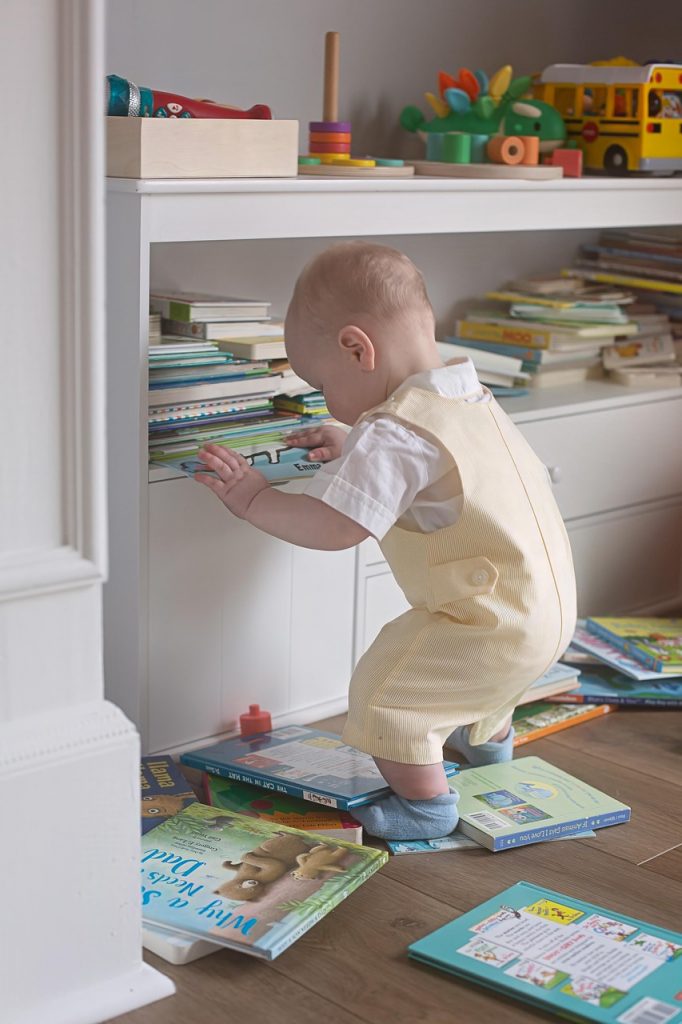
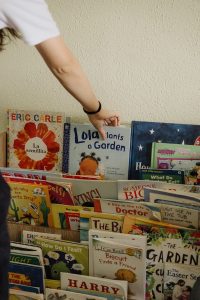
✔ Keep books accessible around the home
Baskets, shelves, car bags, and anywhere!
✔ Let kids move, wiggle, and explore
Movement supports learning.
✔ Celebrate effort, not perfection
Praise curiosity, not correctness.
❤️ Final Thoughts
Reading readiness isn’t about teaching kids to read early, instead it’s about helping them build the skills and confidence to become strong readers later. Ages 3 to 5 are the years for wonder, exploration, storytelling, and connection.
When you make reading joyful and natural, your child builds everything they need to thrive, one cozy story at a time. You are not just preparing your child to read. You are helping them fall in love with reading for life.

Energetic, fun, curious, and loving – Hazel Acorn-Putter can’t wait to share her adventures with you.