A colorful, creative activity inspired by nature (and a favorite of Hazel & Scamp!)
Fruit is beautiful, colorful, and full of interesting shapes, which makes it the perfect art tool for curious preschoolers. Fruit Stamp Art is a simple, sensory-rich craft that lets children explore patterns, colors, textures, and creativity using everyday items you already have at home.
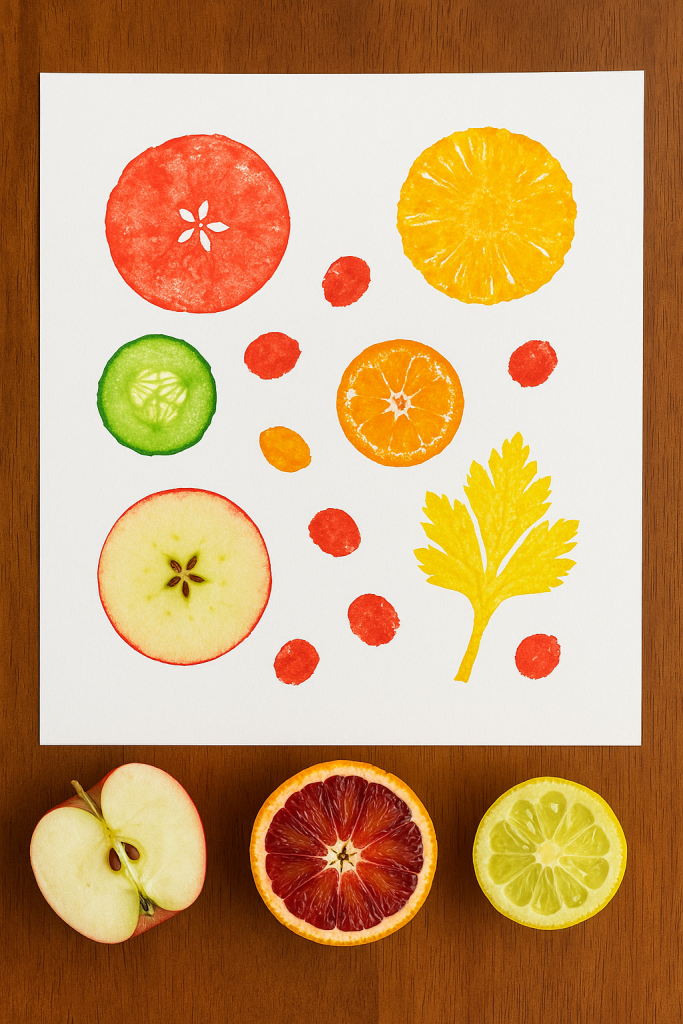
This project is quick to set up, low on mess (with the right prep!), and endlessly customizable. Whether your child makes patterned paper, a forest scene, or just explores the joy of stamping, they’ll be building fine motor skills and artistic confidence along the way.
Let’s dive into this bright and beautiful craft!
🍉 Why Fruit Stamp Art Is Great for Preschoolers
Fruit stamping isn’t just fun… it’s packed with developmental benefits.
1. Hands-On Sensory Learning
Kids get to see, touch, smell, and experiment with natural textures. They notice patterns like seeds, segments, and shapes without even realizing they’re learning.
2. Building Fine Motor Skills
Dipping fruit pieces in paint and stamping them on paper strengthens grip, hand-eye coordination, and control. These are essential skills for writing and plenty of other aspects of life.
3. Encouraging Exploration & Creativity
There’s no right or wrong way to create fruit art. Kids can explore color mixing, pattern-making, or imaginative pictures.
4. Early Math & Science Concepts
Fruit offers built-in opportunities to discuss shapes, halves, circles, segments, seeds, and symmetry.
5. Easy, Accessible Materials
Most families already have fruit that works for stamping. This makes it a perfect go-to craft.
Hazel and Scamp would absolutely approve, because they love using everyday forest finds to make something magical!
🍊 Materials You’ll Need
You only need a few simple supplies:
Fruit for Stamping
Choose a variety for different shapes and patterns:
- Apples (cut in half horizontally for the star-shaped seeds!)
- Strawberries
- Oranges or clementines
- Grapes
- Lemons or limes
- Starfruit (especially fun!)
- Pears
- Bananas (use the cut end, not the whole banana)
Craft Supplies
- Washable paint
- Paper plates or trays (for paint)
- White or light-colored paper
- Optional: watercolor paper for sturdy projects
- Paper towels
- Knife (adult use only)
🍎 Step-by-Step Instructions
Step 1: Prepare the Fruit
Wash and dry the fruit, then cut it into halves or slices. Show your child the patterns inside — seeds, lines, shapes. This alone can spark wonder!
Pat the cut surfaces with a paper towel to reduce excess moisture, which helps paint stick better.
Step 2: Pour the Paint
Squeeze washable paint onto paper plates or shallow trays. Spread the paint thinly so fruit won’t get overloaded.
Choose a few colors — berries, forest greens, sky blues, sunny yellows — or match your palette to an Acorn-Putters theme.
Step 3: Dip and Stamp!
Show your child how to:
- Press the cut fruit into the paint
- Tap off excess paint
- Press it firmly onto the paper
- Lift straight up to reveal the shape
The moment the print appears is always magical!
Try:
- Polka-dot patterns
- Fruit “flowers”
- Borders and frames
- Random overlapping colors
- A forest scene made with fruit shapes
Let your child explore freely.
Step 4: Add Details (Optional)
Once the prints are dry, kids can add:
- Stems and leaves (turn apple prints into trees!)
- Little faces
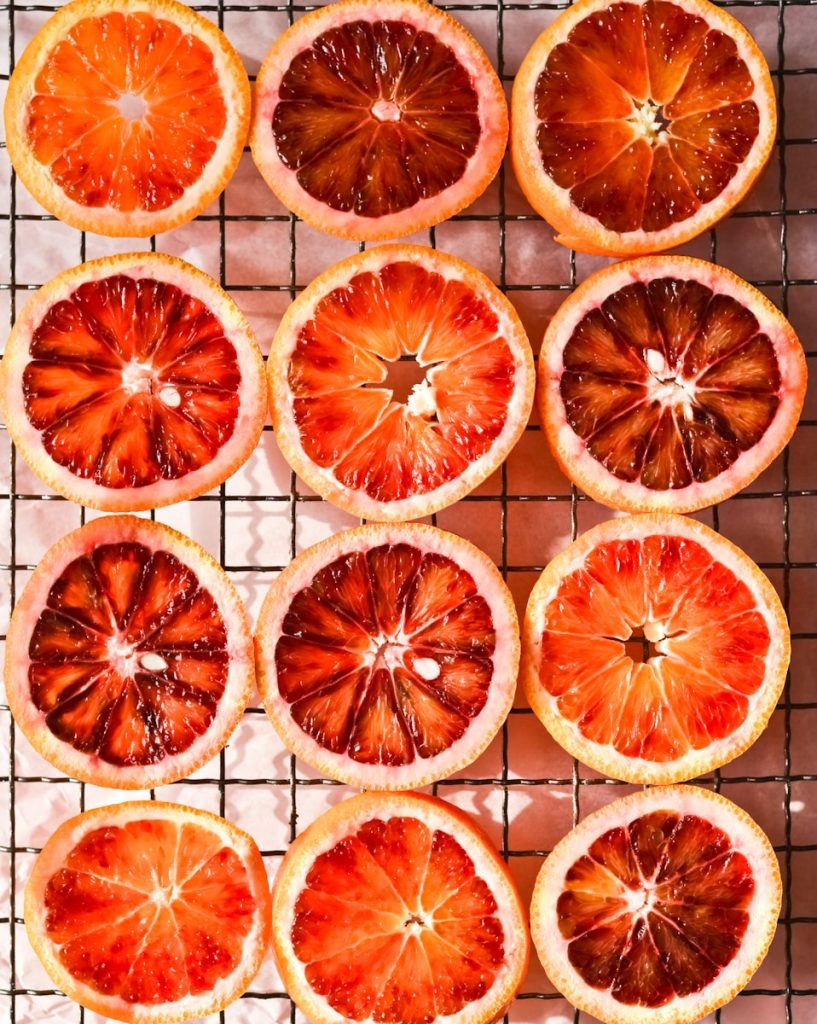
- Wings (orange slices become butterflies)
- Forest backgrounds
- Hazel & Scamp doodles around the artwork
Encourage your child to tell a story about their picture — a great literacy-building bonus.
🍓 Educational Benefits (Parents Will Love This!)
Fruit Stamp Art supports learning in meaningful ways:
Art & Creativity
- Experimenting with textures and techniques
- Making choices about color and placement
- Building confidence by creating something unique
Language Skills
Talk about:
- Shapes (“circle,” “star,” “oval”)
- Textures (“smooth,” “bumpy,” “squishy”)
- Smells and colors
- Predictions (“What shape do you think this will make?”)
These conversations grow vocabulary, which is a key part of early literacy.
Math Skills
Fruit stamping introduces:
- Patterns
- Symmetry
- Sorting and counting
- Comparing sizes
- Sequencing (“stamp red, then green, then red”)
Science Skills
Explore:
- Fruit anatomy
- Seeds
- How printing works
- Color mixing
Every observation builds early science knowledge.
🍒 Tips for Success (and Less Mess!)
- Cover your table with craft paper or a plastic tablecloth.
- Keep a damp washcloth nearby for quick clean-ups.
- Use washable paint only.
- If paint smudges, encourage creative rescue: “Let’s turn that into a leaf!”
- Save finished artwork to use as gift wrap, cards, or bookmarks.
🌼 Variations & Extensions
1. Stamp a Forest Scene
Use:
- Apple prints for tree tops
- Banana prints for tree trunks
- Strawberry prints for forest berries
- Orange slices for suns or moons
Finish with hand-drawn details.
2. Make Patterned Wrapping Paper
Use brown kraft paper and limit colors to 2–3 for a beautiful handmade look. Teach the concept of patterns to the kids and encourage them to use repetition.
3. Create Fruit Creatures
Turn prints into:
- Bugs
- Birds
- Squirrels
- Mushrooms
- Acorns
Add legs, wings, faces, and tails.
4. Try Nature + Fruit Combo
Use twigs, leaves, or acorns alongside fruit prints for mixed-media artwork.
5. Turn the Prints Into a Story
After the artwork dries, ask:
- “What’s happening in your picture?”
- “Who lives here?”
- “What would Hazel or Scamp say about this forest?”
This simple storytelling builds early literacy skills.
🍃 Final Thoughts
Fruit Stamp Art is one of those wonderful activities that is simple to set up, delightful to explore, and packed with learning. Whether your child is making polka dots, patterns, or miniature fruit forests, they’re developing creativity, fine motor skills, and confidence. And all of this can happen through all through hands-on play.
It’s an activity Hazel and Scamp would love, because it turns the natural world into a canvas for imagination.
Try it on a rainy afternoon, on a nature-themed weekend, or anytime your child needs a colorful, screen-free creative moment.
Your fridge door is about to get a whole lot cuter.

Energetic, fun, curious, and loving – Hazel Acorn-Putter can’t wait to share her adventures with you.