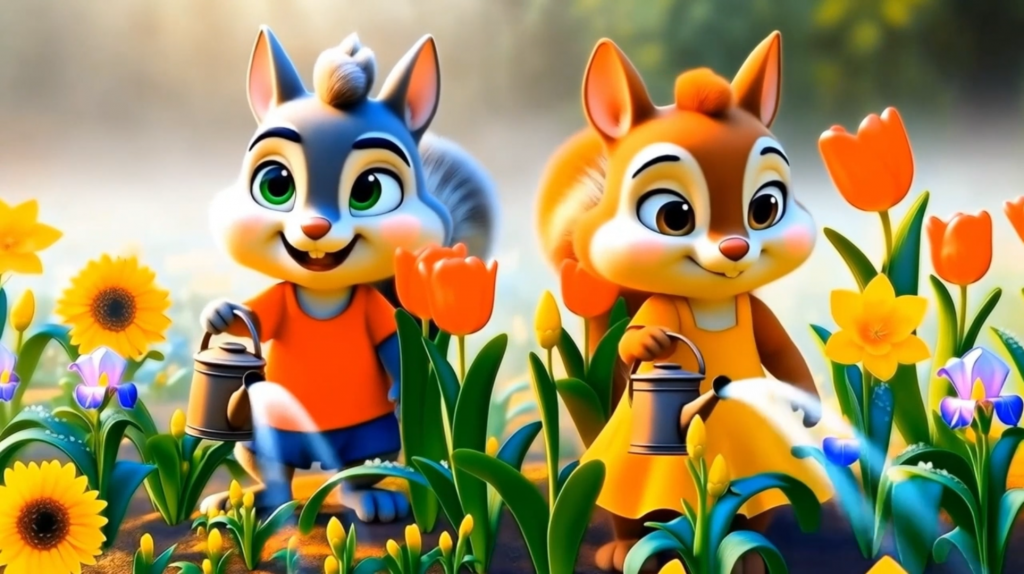
A hands-on way to grow curiosity, patience, and confidence
Gardening with kids is one of those rare activities that feels both simple and meaningful. With a handful of soil, a few seeds, and a little time, children can experience patience, responsibility, and wonder all at once. Gardening does not need to be perfect or productive to be successful. In fact, the best kid-friendly gardens are often small, messy, and full of learning moments.
Whether you are planting on a balcony, in a backyard, or on a sunny windowsill, gardening gives children a chance to slow down and watch something grow because they cared for it. That experience stays with them far longer than any screen or toy.
Getting started with simple gardening ideas 🌿
For children, gardening is about discovery, not results. They are less concerned with harvest size and more interested in noticing what changes from day to day. A sprout appearing through the soil or a flower opening for the first time can feel magical.
Starting small is key. One or two plants is enough, especially for younger children. A small garden feels manageable and gives kids a sense of ownership without becoming overwhelming. As confidence grows, the garden can grow too.
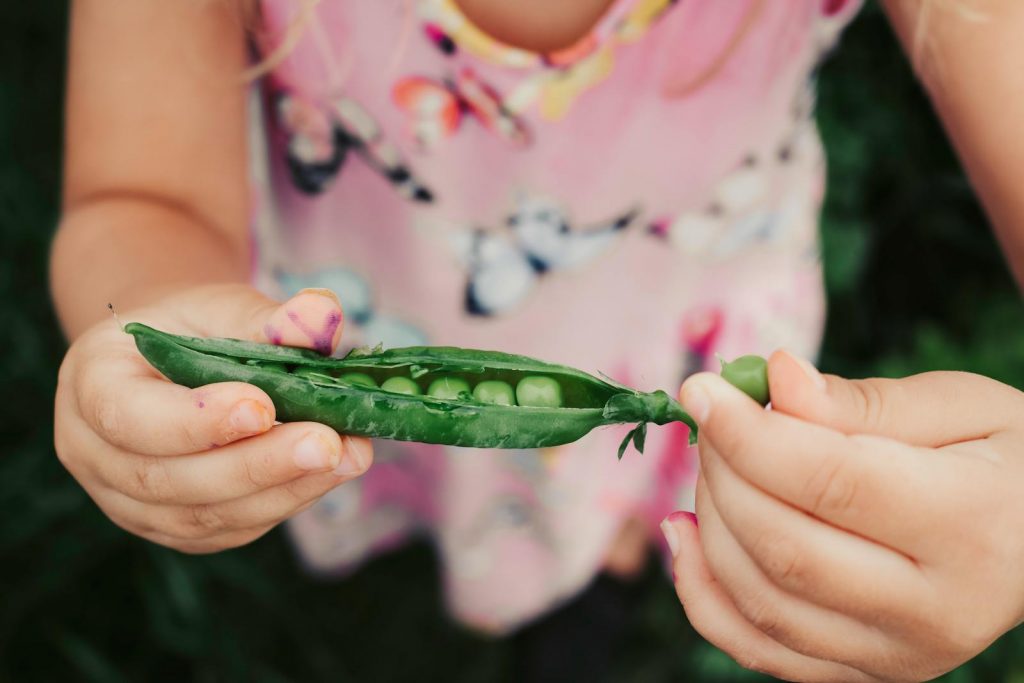
Setting up a garden that works for your family
There is no single right way to garden with kids. The best setup depends on your space, time, and energy.
Many families begin with pots or planters. Containers are flexible and easy to manage. They work well on patios, balconies, driveways, or near a sunny window. Because the soil is contained, it is easier to control watering and plant health. The tradeoff is that pots dry out faster and may need more frequent watering, especially in warm weather.
If you have access to a yard, setting aside a small garden area can be rewarding. This might be a raised bed, a simple marked-off patch of soil, or even a corner of an existing garden. Yard gardens allow plants to spread their roots more naturally and usually require less frequent watering. They can also bring weeds, which become part of the learning process.
Some families garden in community gardens or shared spaces. These environments can be wonderful for children because they see others growing food and caring for plants too. Community gardens introduce the idea that gardening connects people, not just plants.
Tools and materials you actually need
Gardening with kids does not require expensive tools. A few basic supplies are enough to get started. Potting soil or garden soil, seeds or small starter plants, containers or ground space, and a way to water are the essentials. A small hand shovel or even a sturdy spoon works well for digging. Labels or craft sticks help kids remember what they planted.
Child-sized tools can help kids feel capable, but they are not required. What matters more is letting children participate in ways that feel safe and manageable.
Choosing plants that are easy and rewarding
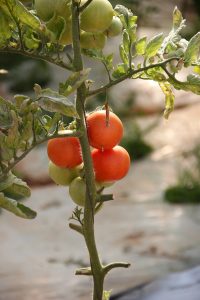
Plant selection can make or break early gardening experiences. Kids do best with plants that grow quickly and show visible progress.
Tomatoes, especially cherry tomatoes, are a favorite. They grow relatively fast, change noticeably over time, and produce fruit that kids enjoy picking. They do need regular watering and support as they grow taller, which can be a shared responsibility.
Green beans are another good option. They sprout quickly and often produce many beans, which makes harvesting exciting. Beans grow well in both containers and garden beds and help kids see how vines climb and spread.
Potatoes can be grown as a fun experiment. Watching sprouts emerge from a potato placed in soil or water helps children understand that food can grow in unexpected ways. Harvesting potatoes feels like a treasure hunt, even though it takes time.

Avocado seeds suspended in water are a classic science activity. While they take a long time to become fruit-producing plants, they are fascinating to watch as roots and shoots slowly appear. They work well as a long-term project rather than a food source.
Bell peppers are colorful and appealing but grow more slowly than tomatoes. They are a good option for older children who can handle waiting longer for results.
Flowers are just as important as vegetables. Sunflowers, marigolds, zinnias, nasturtiums, and cosmos grow easily and add bright color to gardens. Flowers attract pollinators, which opens conversations about bees, butterflies, and ecosystems.
Understanding seasonality and timing
Outdoor gardening follows natural seasons, and this can be one of the most valuable lessons for kids. Spring is typically the best time to plant many vegetables and flowers. Summer brings growth and harvesting. Fall slows things down, and winter becomes a time for rest or indoor experiments.
Teaching children that plants grow on their own schedule helps build patience. Checking local planting guides can help you choose what grows best in your area at different times of year.
What to expect as things grow
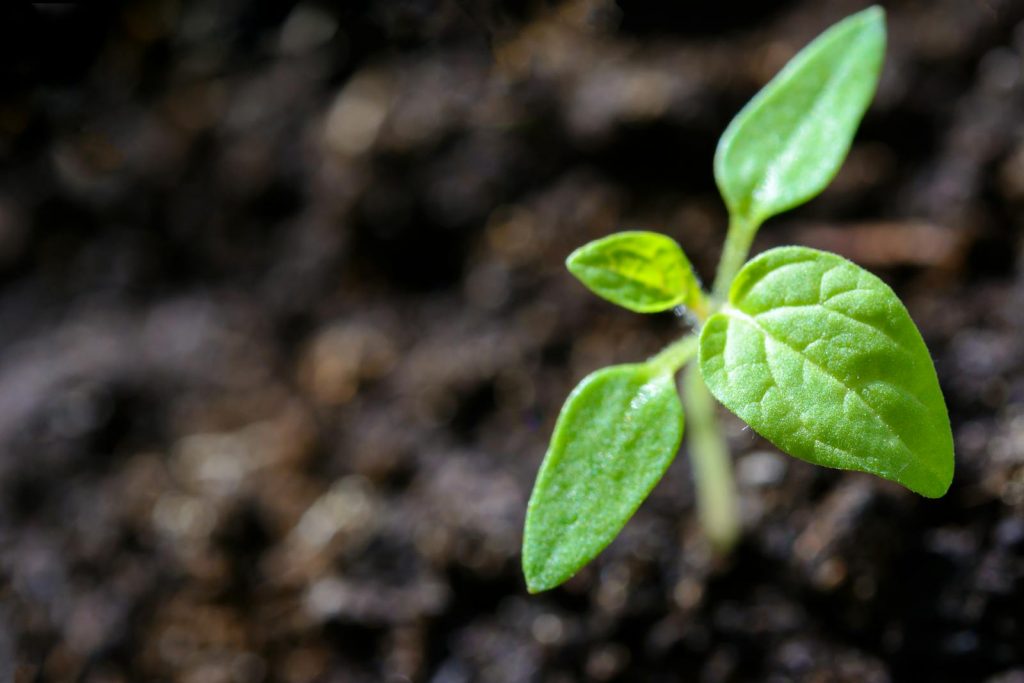
Gardening teaches children that progress is not always visible right away. After planting seeds, there is often a quiet waiting period before sprouts appear. This can feel challenging for kids who are used to quick results.
Talking through the stages of growth helps. First comes planting, then waiting, then sprouting, followed by leaves, buds, flowers, or vegetables. Some plants show progress in days, while others take weeks.
Tracking growth can help children stay engaged. Drawing pictures of plants, measuring height, keeping a simple journal, or taking weekly photos allows kids to notice small changes they might otherwise miss.
Caring for the garden over time
Watering is one of the most important ongoing tasks. Containers usually need more frequent watering than garden beds. Teaching children to gently touch the soil and check whether it feels dry builds awareness and responsibility.
Weeding may become part of the process, especially in outdoor gardens. Pulling weeds together can be framed as helping plants have more space to grow rather than as a chore. Keeping these tasks short and shared helps maintain a positive experience.
What kids can realistically do and what adults handle
Children can do many meaningful gardening tasks. They can plant seeds, water plants, observe changes, harvest vegetables, and record growth. These activities give them ownership and pride.
Adults usually take care of heavier work such as preparing soil, handling pests, installing supports, and managing larger garden decisions. Working side by side helps kids feel involved without being overwhelmed.
A gentle reminder for parents
Gardening with kids is not about producing perfect vegetables or tidy rows. It is about showing children how care, time, and patience lead to growth. Missed waterings, uneven planting, and messy hands are all part of the experience.
Even a single sprout can teach something meaningful. When children see that their efforts matter, they begin to understand responsibility, empathy, and confidence in a way that feels natural and lasting.
Sometimes the smallest gardens grow the biggest lessons 🌿

Energetic, fun, curious, and loving – Hazel Acorn-Putter can’t wait to share her adventures with you.