A gentle guide for curious kids and calm parents
Watching bugs up close is one of the easiest ways to help children slow down, observe the world, and discover how nature works. You do not need special equipment or a faraway nature preserve. Many fascinating insects live right in your backyard, neighborhood park, or nearby green space.
This guide will help parents safely introduce bug exploring to children, including where to look, how to observe without harm, and why releasing bugs back into the wild matters.
Why bug exploring is great for kids
Looking for bugs helps children build patience, curiosity, and respect for living things. It encourages questions like Why does it move like that or Where does it live. These moments support early science learning and emotional development without screens or pressure.
Bug exploring is also flexible. It can be a quick ten minute activity or a longer outdoor adventure depending on your child’s age and attention span.
Safety first before you start
Before searching for bugs, talk through a few simple safety rules.
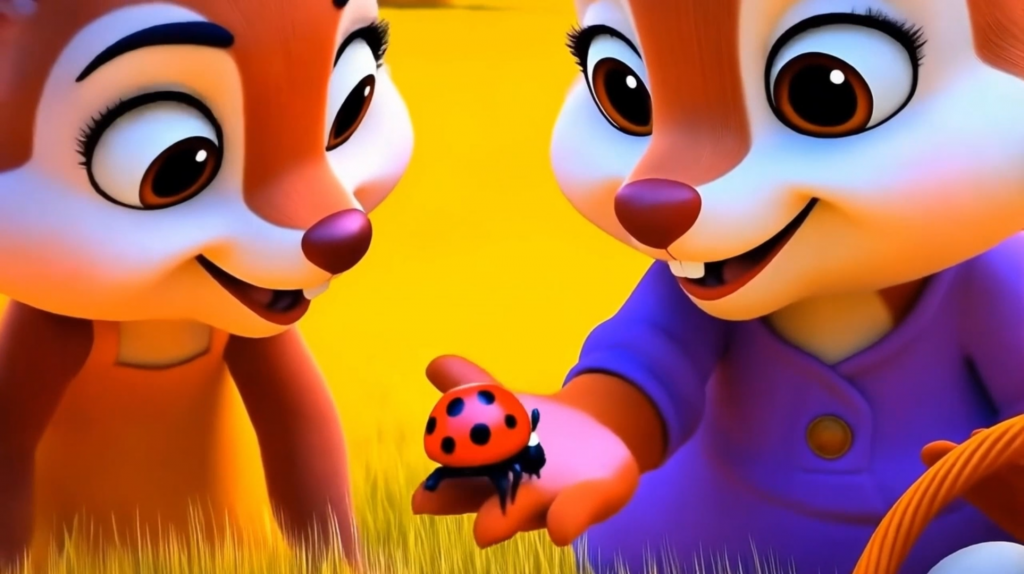
Children should look but not touch unless an adult says it is safe. Many bugs are harmless, but some can bite or sting if frightened.
Avoid bugs that are brightly colored, fuzzy, or very fast moving. These can sometimes sting or cause skin irritation. As a parent, use common sense regarding bees, wasps, spiders, red ants, or any other bug that might cause harm. Do you own research on local species for your area’s ecosystem if you need to learn more.
Never put bugs near faces or mouths. Wash hands after exploring.
If your child has allergies to insect stings, stick to observing only and avoid lifting logs or rocks.
Teach children to move slowly and gently. Bugs scare easily and can be hurt without meaning to.
Where to find bugs easily
You do not need to dig deep or disturb habitats. Many bugs can be found by simply looking closely.
Under leaves and sticks
Gently lift fallen leaves, bark, or small sticks to find ants, beetles, pill bugs, and spiders. Always put everything back the way you found it.
Near plants and flowers
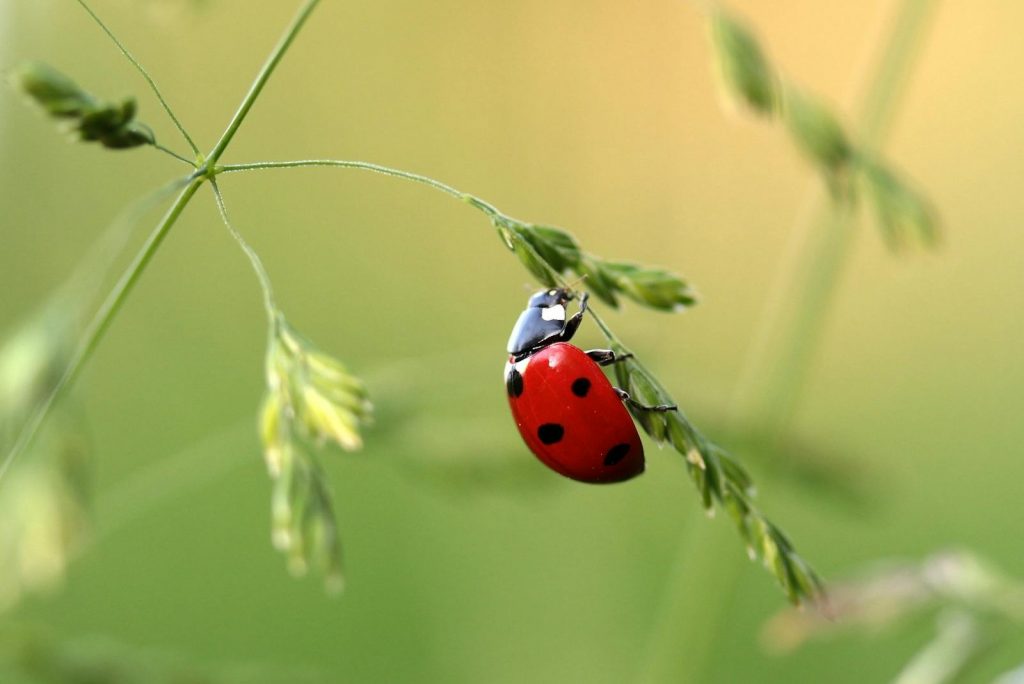
Ladybugs, bees, butterflies, and caterpillars are often found near flowers, shrubs, and garden plants.
Around logs and tree bases
Tree roots and fallen logs are popular hiding places for beetles, worms, and ants.
Near water
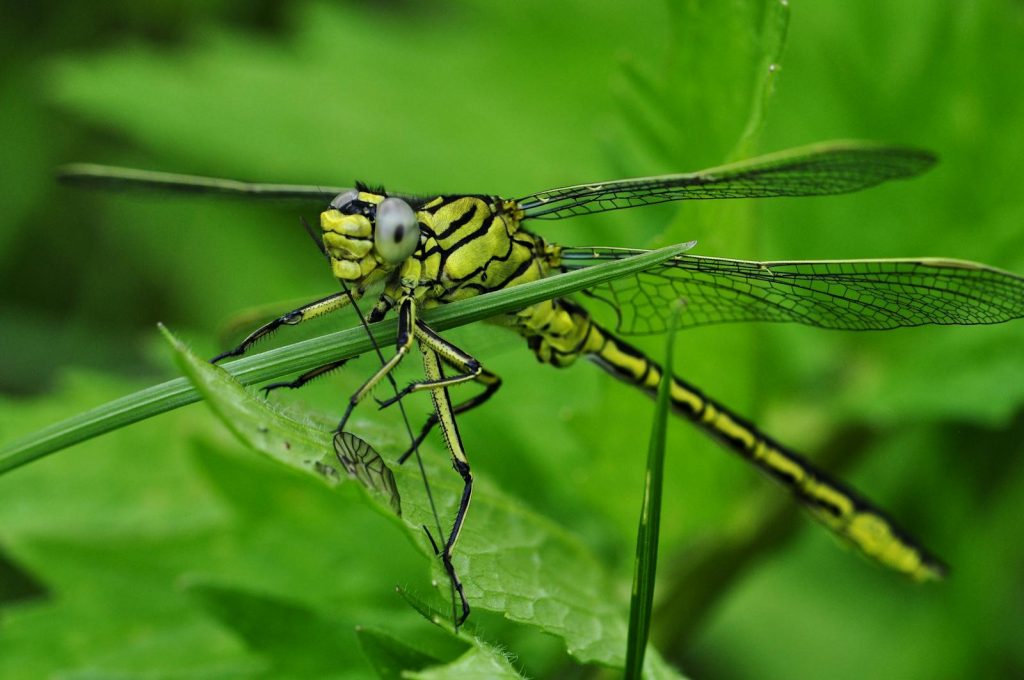
Ponds, creeks, puddles, and damp soil attract dragonflies, water striders, and tiny aquatic insects. Stay close with young children.
At night
With adult supervision, porch lights or flashlights can reveal (or attract) moths and other nighttime insects.
Simple tools for observing bugs
You do not need fancy gear. Simple household items work well.
- A clear plastic container with small air holes, or purchase a bug container
- A magnifying glass
- A soft paintbrush to gently guide bugs
- A notebook for drawing what you see
If you use a container, keep bugs only briefly and out of direct sunlight.
How to store bugs safely and kindly
Bug containers should always be temporary. Bugs do not like being held for long.
- Add a small leaf or bit of soil from where the bug was found.
- Keep the container shaded and cool.
- Never shake the container or overcrowd it.
- Observe for a few minutes, then release.
Teach children that observing is the goal, not keeping.
Always release bugs back into the wild
Releasing bugs is one of the most important lessons you can teach.
Bugs are part of ecosystems. They pollinate plants, recycle nutrients, and feed other animals. Keeping bugs too long or harming them can disrupt their role in nature.
Release bugs in the same place you found them. Encourage children to say goodbye and thank the bug for letting them observe. This builds empathy and respect for living things.
Common bugs that are easy to find
These bugs are usually safe to observe and commonly found in many areas.
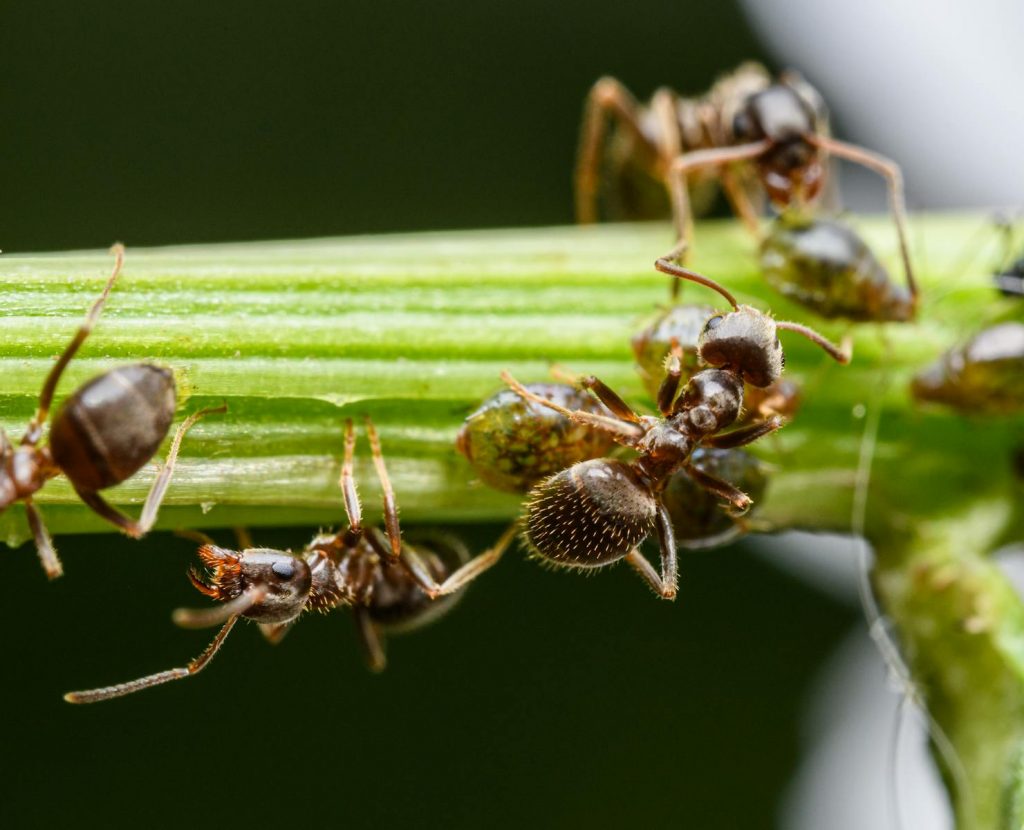
- Ants
- Ladybugs
- Pill bugs also called roly polies
- Earthworms
- Grasshoppers and crickets
- Butterflies
- Beetles
Avoid touching bees, wasps, spiders, and stinging insects. These are best watched from a distance.
Bugs in different ecosystems
Different regions offer different discoveries. This can be a fun way to connect bug exploring to geography.
Forests and woodlands
Beetles, ants, caterpillars, moths, spiders, and salamanders near damp areas
Grasslands and fields
Grasshoppers, crickets, butterflies, bees, and ants
Deserts
Ants, beetles, scorpions, and lizards. Always observe from a distance and avoid lifting rocks
Wetlands and ponds
Dragonflies, water striders, tadpoles, mosquitoes, and aquatic beetles
Backyards and gardens
Ladybugs, worms, caterpillars, bees, ants, and snails
Talking about why certain bugs live where they do helps children understand habitats the environment, adaptation, and food chains.
Making bug exploring meaningful
Ask open ended questions instead of giving answers.
- What do you notice
- Where do you think it lives
- What might it eat, and what might eat it
- Why do you think it moves that way
Let children lead the exploration. Short, positive experiences build confidence and curiosity over time.
A gentle reminder for parents
Bug exploring does not need to be perfect or educational in a formal way. Even a few minutes of looking closely together is enough. Curiosity grows when children feel safe, unhurried, and supported.
Sometimes the smallest discoveries leave the biggest impressions.
Parent FAQ: Bug Exploring With Kids
What age is bug exploring appropriate for?
Bug exploring can start as early as toddlerhood with simple observing. Preschool and early elementary children can begin asking questions, drawing what they see, and learning basic bug names. The key is adult supervision and keeping expectations age-appropriate.
What if my child is scared of bugs?
That is very common. Start by observing from a distance and let your child control how close they want to get. You can model calm curiosity by saying things like, “We’re just watching,” or “It’s okay to feel unsure.” Never force interaction. Comfort comes with time.
What if my child wants to touch everything?
Set clear rules ahead of time. Looking first, touching only when an adult says it is safe, and using tools like a leaf or paintbrush instead of fingers. Remind children that bugs are living creatures that can be hurt easily.
Are bug catchers or bug jars okay to use?
Yes, as long as they are used briefly and gently. Choose containers with air holes, keep them out of the sun, and release the bug as soon as you are done observing. Bug jars are for learning, not collecting.
How long should we keep a bug before releasing it?
A few minutes is enough. Young children often lose interest quickly, which is a natural cue that it is time to release the bug. Longer holding times can stress insects and are not necessary for learning.
What if my child accidentally hurts a bug?
Stay calm. This can be an opportunity to talk about care and responsibility without shame. You might say, “That bug got hurt because it was scared. Next time, we can be gentler.” Focus on learning rather than guilt.
Should we avoid bug exploring if there are stinging insects nearby?
If bees, wasps, or hornets are active in the area, it is best to observe from a distance or choose a different spot. Teach children to stay calm and move away slowly if a stinging insect is nearby.
Do we need to know the names of bugs to do this activity well?
Not at all. Curiosity matters more than correct labels. It is okay to say, “I’m not sure what that is. Let’s find out together later.” Wonder and exploration are more important than facts.
How can bug exploring fit into a screen-free routine?
Bug exploring works well as a short outdoor reset. Ten minutes outside can spark curiosity and lead naturally into other activities like drawing, storytelling, or reading a bug book later. It does not have to replace screens completely to be meaningful.
How can we connect bug exploring to kindness and empathy?
Use language that emphasizes respect. Talk about how bugs have homes, families, and jobs in nature. Releasing bugs gently helps children practice caring for living things, which supports empathy and responsibility.

Energetic, fun, curious, and loving – Hazel Acorn-Putter can’t wait to share her adventures with you.